Article
Gold, Platinum, or White Gold? A Guide to Choosing the Right Metal for Your Jewelry
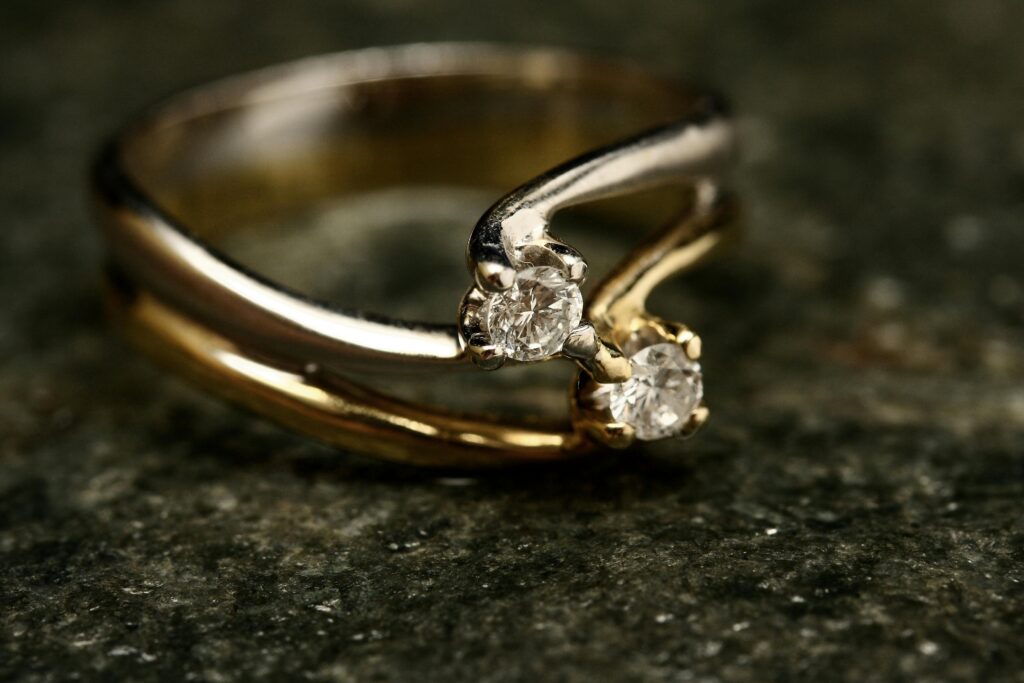
When selecting a piece of fine jewelry, most of our attention naturally gravitates toward the gemstone. We marvel at the fire of a diamond or the deep hue of a sapphire. However, the metal that holds that stone is far more than just a structural frame. The metal determines the jewelry’s durability, its weight on your skin, its hypoallergenic properties, and how the color of the gemstone is perceived by the eye.
In the luxury market of 2026, consumers are faced with more choices than ever. Should you go with the timeless prestige of high-karat yellow gold, the modern industrial strength of platinum, or the sleek, silvery finish of white gold? To make an informed investment, you need to understand the science and the style behind these precious materials.
1. The Timeless Allure of Yellow Gold
Yellow gold is the only metal on this list that occurs naturally with its distinct warm color. In its purest form (24 karat), gold is extremely soft—too soft for most jewelry, as it can easily bend or scratch. To make it functional, it is alloyed with other metals like copper and zinc.
• 14k vs. 18k Gold: This is the most common choice for buyers. 18k gold contains 75% pure gold, giving it a rich, buttery yellow tone that is highly prized in European and high-end boutiques. 14k gold (58.3% pure) is slightly paler but significantly harder and more durable, making it the ideal choice for “Smart Casual” jewelry that you intend to wear every single day without worry.
• The Vibe: Yellow gold is currently enjoying a massive resurgence. It feels warm, classic, and prestigious. It is particularly flattering on warm skin tones and pairs beautifully with “earth-toned” stones like emeralds, rubies, and champagne diamonds.
2. Platinum: The “King of Metals”
If gold is about tradition, platinum is about endurance. It is one of the rarest elements in the Earth’s crust, and its weight reflects its density—a platinum ring will feel noticeably heavier and more substantial than a gold one of the same size.
• Durability and “Patina”: Platinum is incredibly strong. Unlike gold, which loses tiny amounts of metal when it is scratched, platinum simply “displaces.” Over time, it develops a soft, matte finish known as a patina. Many collectors love this look because it gives the piece a vintage, lived-in character. However, if you prefer a high-shine finish, it can always be polished back to its original luster.
• Hypoallergenic Properties: Because platinum jewelry is usually 90–95% pure, it is naturally hypoallergenic. This makes it the premier choice for individuals with sensitive skin who might react to the nickel or copper found in gold alloys.
3. White Gold: The Sleek Modernist
White gold was originally created as a more affordable and workable alternative to platinum. It is made by mixing pure yellow gold with white metals like palladium or silver. However, even with these alloys, white gold naturally has a slight yellowish tint.
• The Role of Rhodium: To achieve that crisp, mirror-like chrome finish you see in jewelry stores, white gold is plated with a rare metal called Rhodium. This plating is what gives white gold its brilliant white “pop.”
• Maintenance: The trade-off for that brilliance is maintenance. Over 12 to 24 months of wear, the rhodium plating will begin to wear off, revealing the warmer gold underneath. To keep it looking new, you will need to have it “re-dipped” by a professional jeweler. This is a simple process, but it is a recurring cost to consider.
4. Making the Right Choice for Your Stone
The color of your metal acts as a “background” for your gemstone, and it can actually change the way the stone looks.
• Colorless Diamonds: If you have a high-grade colorless diamond (D-F range), setting it in yellow gold can sometimes make the stone appear slightly yellow. To keep the diamond looking “icy,” white gold or platinum is the best choice.
• Warm Tones: If you have a stone with warm undertones, like a citrine or a tanzanite with violet flashes, yellow gold can enhance those colors, making the jewelry feel more vibrant and cohesive.
5. Price vs. Value
While white gold is often more affordable than platinum upfront, the long-term cost of rhodium plating can eventually bridge that gap. Platinum requires a higher initial investment because it is denser (requiring more metal by weight) and more difficult for jewelers to work with due to its high melting point. Gold, however, remains the global standard for liquidity; it is an asset that is easily valued and traded in any corner of the world.
Conclusion: Trust Your Aesthetic
Ultimately, the choice between gold and platinum is a balance of lifestyle and personal style. If you want a piece that feels heavy and will last for centuries with minimal structural wear, platinum is your winner. If you love the heritage and the undeniable warmth of classic luxury, yellow gold is the way to go. And if you want the brightest, whitest shine possible for a modern look, white gold remains the industry favorite.
Which metal dominates your current collection? Are you a fan of the warm glow of gold, or do you prefer the cool, architectural feel of the white metals?
Pro-Tip: When buying a ring you plan to wear for decades, ask your jeweler about the “solder” used. High-quality pieces use the same metal for the joints, ensuring the piece ages uniformly over time. Regardless of the metal you choose, quality is in the details!