Article
Preserving the Sparkle: A Professional Guide to Caring for Your Fine Jewelry
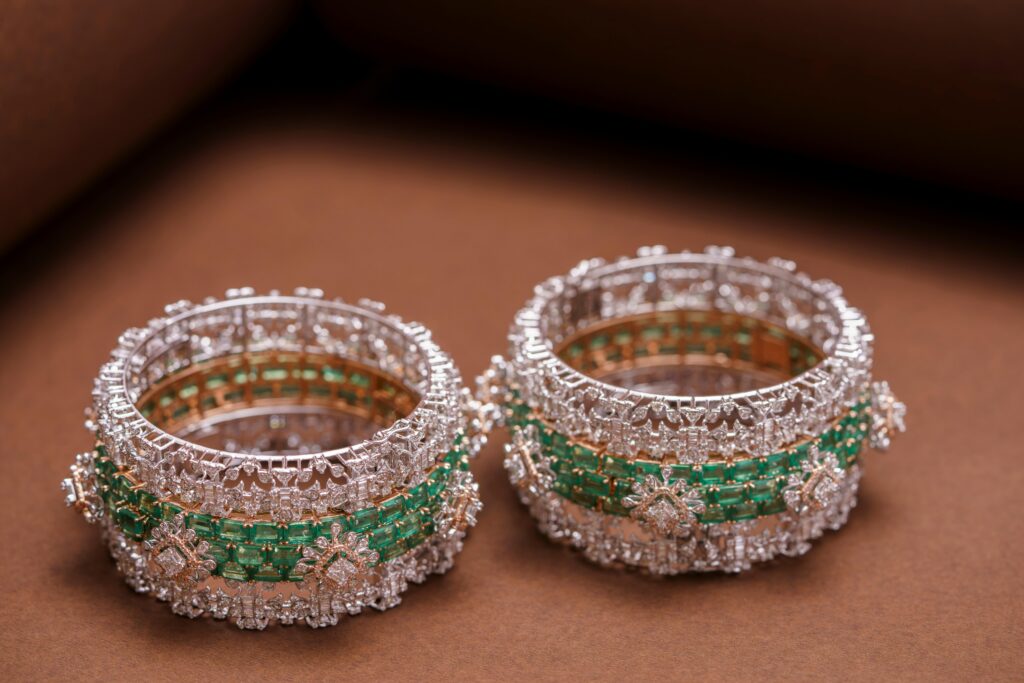
Acquiring a piece of fine jewelry—whether it is an investment-grade sapphire, a classic diamond engagement ring, or a gold timepiece—is a significant moment. These items are more than just accessories; they are often repositories of memories, family heirlooms, or symbols of personal milestones. However, because precious metals and gemstones are natural materials, they are susceptible to environmental factors, chemicals, and daily wear.
To ensure that your treasures retain their brilliance and value for generations, you must move beyond occasional cleaning and adopt a professional maintenance routine. Here is a comprehensive guide to the science and art of caring for your jewelry.
1. The Golden Rule: Last On, First Off
The most effective way to care for your jewelry is to prevent damage before it happens. Many people treat jewelry as part of their dressing routine, but it should actually be the very last step.
Cosmetics, hairsprays, perfumes, and lotions often contain chemicals that can dull the surface of gold or cause a film to build up on gemstones. This is particularly dangerous for “organic” gems like Pearls or Amber, which are porous. The chemicals in a simple spritz of perfume can permanently damage the luster of a pearl. By making your jewelry the last thing you put on before leaving the house and the first thing you take off when you return, you significantly reduce its exposure to harmful substances.
2. Tailored Cleaning Methods
Not all jewelry can be treated the same way. A method that works for a diamond could be catastrophic for an opal.
• Diamonds, Sapphires, and Rubies: These are the “hard” stones of the gem world. For these, a simple solution of warm water and a few drops of mild dish soap is usually sufficient. Use a very soft-bristled toothbrush to gently clean behind the setting where dust and oils collect. Rinse thoroughly with lukewarm water and pat dry with a lint-free cloth.
• Emeralds and Opals: These stones require extreme caution. Emeralds are almost always treated with natural oils to fill tiny surface-reaching fissures; using ultrasonic cleaners or harsh soaps can strip these oils, leaving the stone looking cloudy. Opals contain water; if they get too dry or are exposed to sudden temperature changes, they can “craze” (develop internal cracks). Simply wipe these with a soft, damp cloth.
• Gold and Platinum: While gold is durable, it is also a soft metal that can scratch. Avoid using abrasive materials like paper towels or tissues, which contain tiny wood fibers that can leave micro-scratches. Instead, use a dedicated jewelry polishing cloth.
3. The Danger of the “Home Remedy”
While the internet is full of “hacks” involving toothpaste, baking soda, or vinegar, professional jewelers strongly advise against them. Toothpaste contains abrasives designed to scrub tooth enamel, which is much harder than gold or silver. Using it can leave permanent dulling scratches on your settings. Similarly, acidic solutions like vinegar can react poorly with certain alloys used in 14k or 18k gold, potentially leading to discoloration. Stick to products specifically formulated for jewelry or the mild soap-and-water method.
4. Strategic Storage
How you store your jewelry when it isn’t being worn is just as important as how you clean it. The goal is to prevent two things: oxidation and physical damage.
• Individual Compartments: Diamonds are the hardest natural substance on earth, which means a diamond ring can easily scratch a gold bracelet or a softer gemstone if they are tossed together in a box. Store each piece in its own soft pouch or a lined compartment in a jewelry box.
• Anti-Tarnish Environment: For silver and even certain low-karat gold alloys, exposure to air causes oxidation. Storing these pieces in airtight bags or with anti-tarnish strips can keep them bright for much longer.
• Climate Control: Extreme heat or humidity can affect certain stones. Avoid keeping your jewelry box on a windowsill or in a bathroom where the humidity fluctuates constantly.
5. Professional Inspections: The “Check-Up”
Just as you would take a high-end car for a service, your jewelry needs professional attention. At least once a year, take your most-worn pieces to a trusted jeweler. They will check the prongs (the metal “claws” that hold the stone). Over time, gold prongs can wear down or get caught on clothing, becoming loose. A professional can “re-tip” these prongs to ensure your gemstone doesn’t fall out. They also have access to professional-grade ultrasonic and steam cleaners that can safely remove deep-seated grime that a toothbrush simply cannot reach.
The Legacy of Care
Fine jewelry is designed to be permanent, but its longevity is a partnership between the craftsman and the owner. When you take the time to clean your pieces correctly and store them with care, you aren’t just maintaining an object; you are preserving a legacy. There is a unique joy in putting on a ring or a necklace that looks just as radiant as the day you first acquired it.
Do you have a family piece that has been passed down? Often, these pieces carry the most stories. By following these professional care steps, you ensure that those stories continue to sparkle for the next generation.
Pro-Tip: Keep a small jewelry polishing cloth in your handbag. A quick 10-second wipe after a long day can prevent oils from building up and keep your stones brilliant until your next deep clean.