Article
Investing in Brilliance: A Guide to Gemstones as a Financial Asset
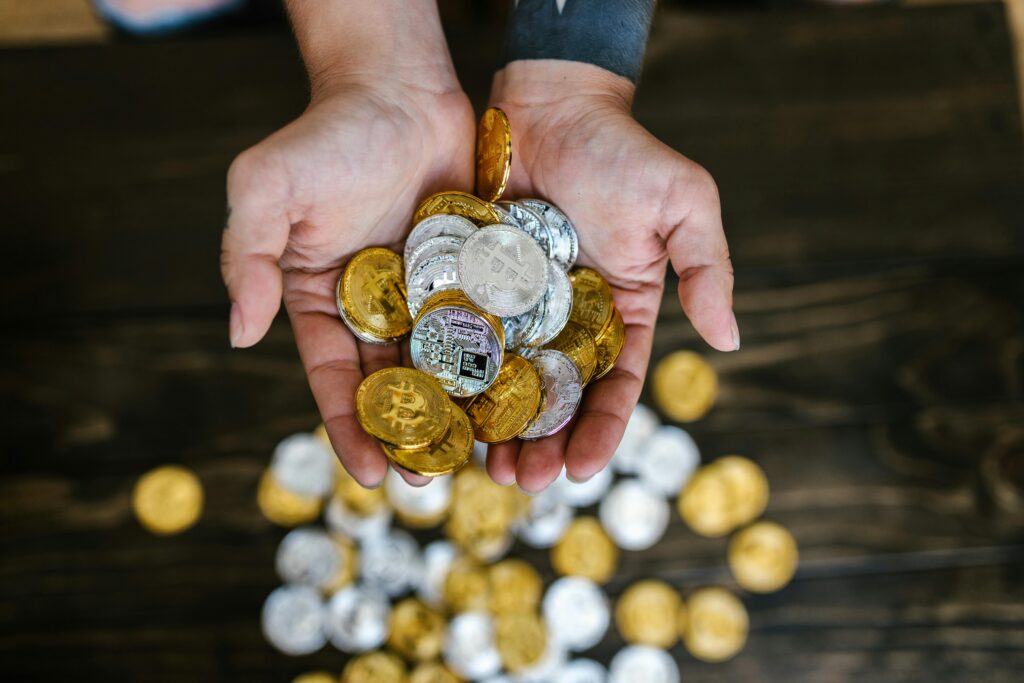
When we think of investments, our minds often jump to stock portfolios, real estate, or perhaps digital currencies. However, for centuries, the world’s wealthiest individuals have looked toward a much more compact and beautiful form of wealth preservation: precious gemstones. Beyond their aesthetic appeal and their role in high-end fashion, gemstones represent a “portable” form of wealth that can act as a powerful hedge against economic instability.
Investing in gemstones is a sophisticated venture. Unlike gold, which has a standardized spot price per gram, the value of a gemstone is determined by a complex interplay of rarity, quality, and market demand. If you are considering entering the world of “liquid brilliance,” here is what you need to know before making your first purchase.
The Big Three: Why Rarity Matters
While there are hundreds of types of minerals, the investment world primarily focuses on the “Big Three”: Rubies, Sapphires, and Emeralds, alongside, of course, Diamonds. These stones have maintained their value for centuries due to their extreme scarcity and durability.
• Diamonds: While traditional white diamonds remain a staple, the real investment growth in recent years has shifted toward “Fancy Color” diamonds—pinks, blues, and yellows. Because these are significantly rarer than clear diamonds, their price ceiling is much higher.
• Rubies: A high-quality “pigeon blood” ruby from Myanmar can sometimes fetch a higher price per carat than a colorless diamond. The key is the saturation of color and the lack of heat treatment.
• Sapphires and Emeralds: For these stones, origin is everything. A Royal Blue sapphire from Kashmir or a vivid green emerald from Colombia carries a historical prestige that adds a massive premium to its market value.
Understanding the “4 Cs” and Beyond
To invest wisely, you must speak the language of gemology. The value of a stone is traditionally judged by the 4 Cs: Color, Cut, Clarity, and Carat Weight.
1. Color: In colored stones, this is the most critical factor. The hue must be vibrant and consistent. A stone that is too dark or too pale will not appreciate in value as quickly as one with “vivid” saturation.
2. Clarity: While most emeralds have natural “gardens” (inclusions), for diamonds and sapphires, the cleaner the stone, the higher the investment grade.
3. Cut: A masterfully cut stone reflects light in a way that maximizes its natural beauty. A poor cut can make an expensive raw mineral look dull and lifeless.
4. Carat Weight: Large, high-quality stones are exponentially rarer than small ones. A single three-carat stone is worth significantly more than three separate one-carat stones of the same quality.
The Absolute Necessity of Certification
In the gemstone market, your most important document isn’t your receipt—it’s your Gemological Certificate. Because the naked eye cannot distinguish between a natural stone, a laboratory-grown stone, or a treated stone, you must rely on independent laboratories.
The GIA (Gemological Institute of America) and the SSEF (Swiss Gemmological Institute) are the gold standards. A certificate from these institutions provides an unbiased report on the stone’s dimensions, quality, and—crucially—whether it has undergone any treatments. In the investment world, “unheated” or “no oil” stones are the most prized. A ruby that has been heat-treated to enhance its color might be beautiful for jewelry, but it will never have the same investment potential as a 100% natural, untreated stone.
Portfolio Diversification: Jewelry vs. Loose Stones
A common question for new investors is whether to buy loose stones or finished jewelry.
• Loose Stones: These are generally better for pure investment. They are easier to grade, easier to store, and they give the future buyer the freedom to create their own custom setting.
• Estate Jewelry: High-end pieces from iconic houses like Cartier, Van Cleef & Arpels, or Boucheron carry “provenance.” In this case, you aren’t just buying the stone; you are buying a piece of art and brand history, which often appreciates independently of the raw material prices.
Market Liquidity and Risks
It is important to remember that gemstones are a long-term investment. Unlike stocks, you cannot sell a high-value sapphire at the click of a button. It takes time to find the right buyer or the right auction house to realize the stone’s full value. Additionally, the market is unregulated compared to traditional finance, making expert advice and reputable sourcing mandatory.
Final Thoughts for the Aspiring Collector
Investing in gemstones is a journey that combines financial discipline with a passion for natural history. These stones are billions of years old, formed under intense pressure deep within the earth, and their supply is finite. As mines close and high-quality specimens become harder to find, the value of existing “investment-grade” stones is likely to continue its upward trajectory.
If you are ready to begin, start by educating your eye. Visit reputable dealers, attend high-end exhibitions, and always prioritize quality over size. A small, perfect stone will always be a better investment than a large, mediocre one.
Which gemstone has always fascinated you the most? Whether you seek the fire of a diamond or the deep soul of a sapphire, the world of precious stones offers a brilliant way to secure your financial future.